
Factors Behind the Ascendancy of the Byzantine Empire
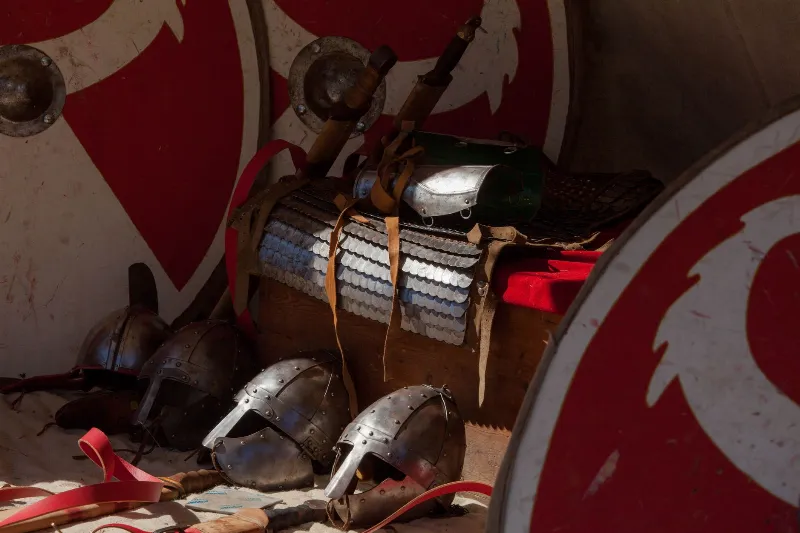

In the dimly lit halls of the Imperial Palace in Constantinople, a pivotal decision was being made. The year was 330 AD, and the Roman Emperor Constantine had just declared Byzantium the new capital of the Roman Empire, renaming it Constantinople. This marked not merely a relocation of power but the beginning of a transformation that would shape the future of Europe and the Mediterranean.
Constantinople's strategic location was a game changer. Positioned at the crossroads of Europe and Asia, it controlled vital trade routes and became a melting pot of cultures. This blend fostered a unique Byzantine identity, merging Greek, Roman, and Eastern influences. The city became a hub of commerce and culture, attracting merchants, scholars, and artisans from across the known world.
Military Innovations and Resilience
As the Western Roman Empire crumbled under external pressures, the Byzantine Empire showcased remarkable military resilience. The establishment of the theme system in the 7th century restructured the army, integrating local populations into the military framework. Soldiers were granted land in exchange for service, creating a loyal and effective fighting force. This innovation not only bolstered their defenses but also provided stability in the face of invasions.
Moreover, Byzantine military strategies evolved, incorporating advanced tactics and technology. The use of Greek fire, a formidable incendiary weapon, became legendary. Its effectiveness in naval warfare allowed Byzantium to maintain control over the Mediterranean, thwarting numerous sieges and invasions. This military prowess solidified the empire's status as a dominant power and deterred threats from rivals.
Religious Influence and Cultural Flourishing
The intertwining of religion and politics played a crucial role in the Byzantine ascent. The Christian faith became a unifying force, fostering a sense of identity and purpose among its citizens. Emperor Justinian I, who ruled in the 6th century, championed the construction of the Hagia Sophia, a masterpiece of architecture that symbolized the empire’s cultural and religious significance.
During this period, Byzantine culture flourished, marked by advancements in art, literature, and law. The preservation of classical texts and the promotion of scholarship helped lay the groundwork for the Renaissance centuries later. This cultural flowering not only reinforced the empire's stability but also established its legacy in shaping European civilization.
As the centuries passed, the Byzantine Empire faced numerous challenges, including internal strife and external threats. Yet, its ability to adapt and innovate in governance, military strategy, and cultural expression allowed it to thrive long after the fall of its western counterpart. The echoes of its rich history continue to influence contemporary society, as the Byzantine legacy endures in various aspects of modern culture.
Hungry for more?
Explore thousands of insights across all categories.
