
Exploring the Internet of Senses

What is the Internet of Senses?
The Internet of Senses is a concept that explores how technology can connect and enhance our sensory experiences. By integrating the five senses, sight, sound, touch, taste, and smell, into digital interactions, it aims to create immersive environments that profoundly affect how we communicate, learn, and engage with one another and our surroundings. This idea builds upon existing technologies, such as virtual reality (VR) and augmented reality (AR), extending their capabilities to evoke a fuller range of human sensations.
How Does It Work?
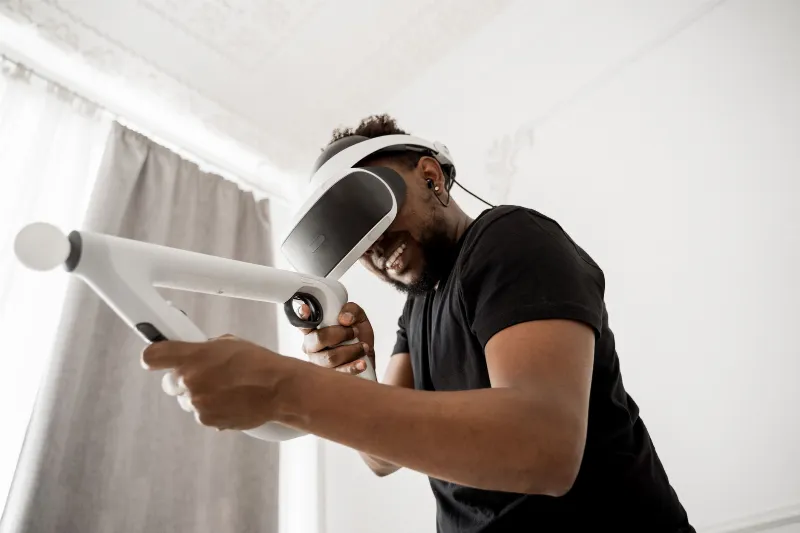
At its core, the Internet of Senses relies on various technologies to stimulate sensory experiences. For instance, virtual reality headsets can provide immersive visuals and spatial audio, while haptic feedback devices can simulate touch by mimicking the sensation of pressure or texture. Additionally, advancements in olfactory technology are being explored to replicate scents, enhancing the realism of virtual environments.
The integration of these technologies enables users to engage with digital content in a way that feels more natural and intuitive. For example, someone learning about cooking through a virtual platform might not only see the ingredients but also smell their aromas and feel the textures as they interact with the simulation. This multi-sensory approach can lead to deeper learning and more genuine emotional connections.
Applications and Importance
The Internet of Senses has numerous potential applications across various fields, including education, entertainment, healthcare, and marketing. In education, immersive simulations can enhance learning outcomes by making abstract concepts tangible. In healthcare, virtual environments can facilitate rehabilitation by providing safe spaces for patients to practice physical movements while receiving sensory feedback.
- Enhanced learning experiences
- Improved patient rehabilitation
- More engaging marketing opportunities
This concept matters because it reflects a shift towards a more human-centric approach in technology design. As we increasingly rely on digital interactions, creating experiences that engage all the senses offers a pathway to enrich our connections and interactions.
Moreover, the Internet of Senses reveals patterns in how people desire to engage with technology. As systems evolve, the focus on sensory integration may indicate a broader trend toward creating more immersive and connected human experiences. This notion continues to resonate in discussions about the future of technology and its impact on our lives.
As we explore the boundaries of digital interaction, the Internet of Senses invites us to reconsider how we experience the world around us.
Hungry for more?
Explore thousands of insights across all categories.
