
Exoplanet Atmospheres Redefine Climate Science Principles

Unexpected Discoveries in Distant Worlds
New research into exoplanet atmospheres is revealing phenomena that defy our traditional understanding of climate science. These distant planets, located light-years away, exhibit a range of atmospheric compositions and weather patterns that are not only intriguing but also perplexing. By utilizing advanced telescopes and spectroscopy, scientists can analyze the light passing through these atmospheres, allowing them to deduce the presence of various gases, clouds, and even weather systems.
Challenging Established Climate Models
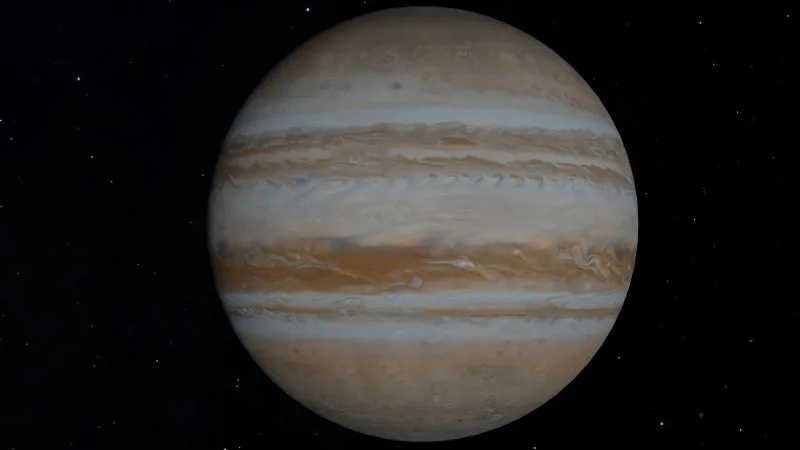
Many exoplanets display extreme weather conditions and atmospheric behaviors that challenge the models we use to understand Earth's climate. For instance, some hot Jupiters, gas giants that orbit close to their stars, show significant temperature variations between their day and night sides, leading to powerful winds and unique cloud formations. These observations suggest that our current models may need refinement to incorporate the complexities observed in alien atmospheres.
Furthermore, the discovery of diverse chemical compositions, such as the presence of water vapor, methane, and carbon dioxide, provides a broader context for understanding how different environments can affect atmospheric behavior. This can lead to a better grasp of potential climate scenarios on Earth, particularly as we face unprecedented changes in our own climate system.
Implications for Earth’s Climate Understanding
The insights gained from studying exoplanet atmospheres have significant implications for our understanding of Earth's climate. They encourage scientists to reconsider how various factors, such as stellar radiation and planetary composition, influence climate systems. Furthermore, the findings highlight the importance of interdisciplinary research, combining astronomy and climate science to create more comprehensive models.
As researchers continue to explore these alien worlds, they shed light on the potential range of climate outcomes that could exist, prompting us to think critically about our planet's future. The lessons learned from exoplanet atmospheres may ultimately help us address the pressing climate challenges we face on Earth today.
Hungry for more?
Explore thousands of insights across all categories.
