
Currency collapse theory: Why fluctuations in the Brazilian real should alarm investors
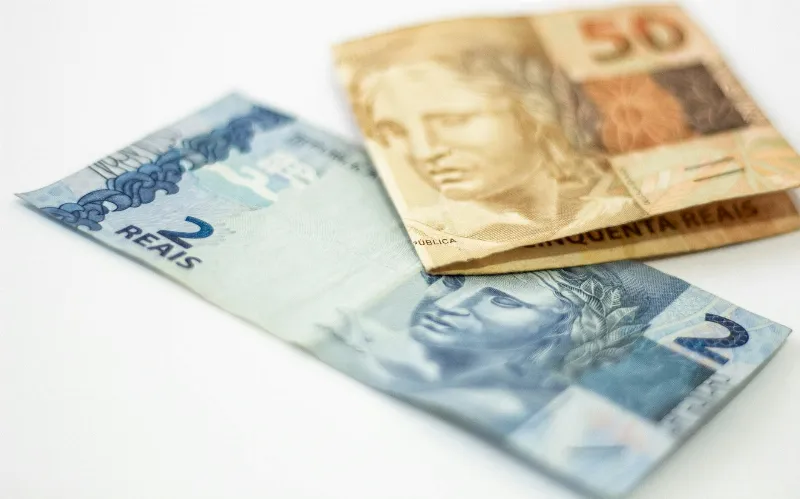

Understanding the Brazilian Real's Volatility
Investors need to pay attention. The Brazilian real (BRL) has shown alarming fluctuations, hinting at deeper economic issues. Recent data from the Central Bank of Brazil reveals a sharp depreciation, with the BRL falling over 20% against the US dollar in just one year.
Historical Context of the BRL's Fluctuations
Historically, the Brazilian economy has faced significant turbulence. Key events include:
- 1989: Hyperinflation peaks at 1,000% annually, leading to the introduction of the real.
- 2002: Economic instability prompts a currency crisis, with the BRL losing 30% of its value in six months.
- 2015: A political scandal triggers another sharp decline, with the BRL depreciating by 50% in two years.
Current Economic Indicators
What does the current economic landscape look like? Key indicators include:
- Inflation Rate: Currently at 6.5%, well above the target of 3.5% set by the Central Bank.
- Unemployment Rate: Holding steady at 11.8%, impacting consumer spending.
- Foreign Reserves: Dropped to $320 billion, down from $375 billion in 2022.
Investor Implications
If you’re an investor, consider this: What are the risks associated with a falling BRL?
- Currency Risk: Foreign investors may face losses as the BRL depreciates.
- Market Sentiment: Instability can lead to a lack of confidence, driving further sell-offs.
- Commodity Prices: Brazil is a key exporter of commodities. A weak BRL could affect international pricing structures.
The Role of Global Markets
The BRL is not an isolated case. Global market conditions can exacerbate fluctuations. Factors include:
- US Federal Reserve Policies: Interest rate changes in the US can lead to capital flight from emerging markets.
- China's Economic Slowdown: As Brazil's largest trading partner, any slowdown in China can impact Brazilian exports, further weakening the BRL.
- Geopolitical Tensions: Regional instability can create uncertainty, impacting investor confidence.
What Lies Ahead?
Imagine this: If the BRL continues its downward trend, what could that mean for Brazil's economic stability? Investors must prepare for potential scenarios:
- Increased volatility in financial markets.
- Higher inflation rates leading to increased cost of living.
- Possible intervention by the Central Bank to stabilize the currency.
Understanding these dynamics is crucial for informed investment decisions.
Hungry for more?
Explore thousands of insights across all categories.
