
Create a Dancing Raisin Effect With Simple Ingredients

A Sparkling Transformation
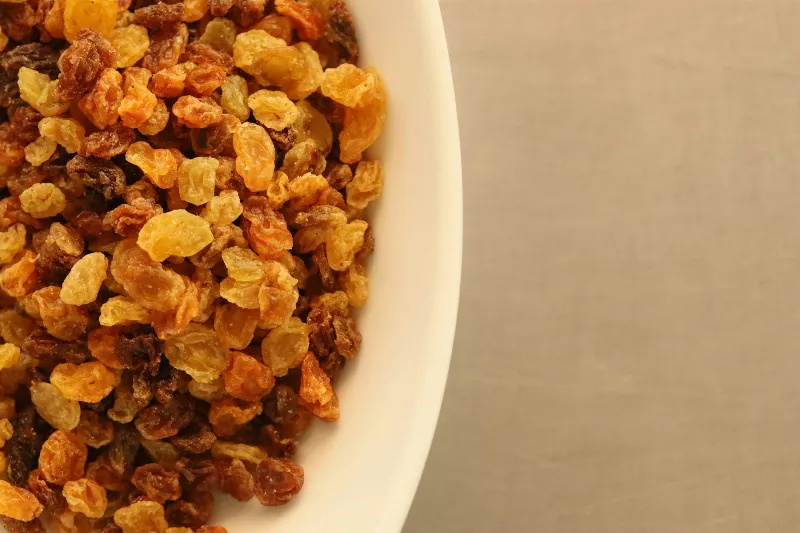
Raisins, often overlooked, can turn into little performers when introduced to a bubbly environment. Dropping raisins into a glass of carbonated water can create a lively display as they rise and fall. This whimsical effect stems from the interaction between the carbon dioxide bubbles in the beverage and the raisins' surface, demonstrating a captivating principle of physics in action.
Understanding Density and Buoyancy
At play here are two fundamental concepts: density and buoyancy. The carbon dioxide bubbles attach themselves to the rough surface of the raisins, making them less dense than the surrounding liquid. As the bubbles accumulate, they lift the raisins to the top. Once the bubbles burst at the surface, the raisins become heavier and sink back down, only to be lifted again. This cycle continues, creating a delightful spectacle.
Here are a few things to consider for this experiment:
- Use clear carbonated water for better visibility.
- Experiment with different sizes of raisins to see how they react.
- Add food coloring for a more vibrant visual effect.
Perfect for Sharing
This simple experiment packs a visual punch that is sure to intrigue friends and family. It's a great way to spark conversations about science in everyday life, especially among young curious minds. The dancing raisins not only entertain but also educate, making science accessible and fun.
Hungry for more?
Explore thousands of insights across all categories.
