
Common Misconceptions About Eiffel Tower Origins Unveiled

Initial Purpose and Misconceptions
Constructed for the 1889 Exposition Universelle, the Eiffel Tower was initially seen as a temporary structure. Many assume it was solely a grand display for the event. However, this perception simplifies its significance and the bold vision of engineer Gustave Eiffel.
Architectural Innovation
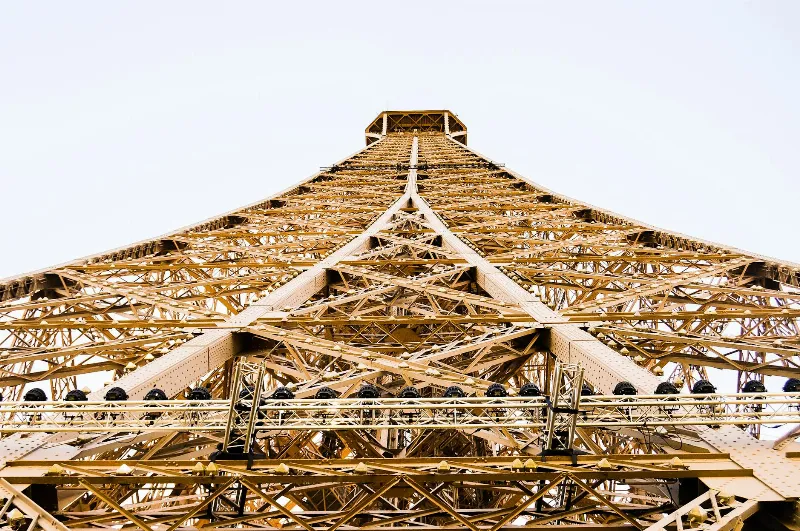
Beyond its role in the exposition, the Eiffel Tower represented a leap in architectural design. Standing at 300 meters, it was the tallest man-made structure in the world for over 40 years. Its iron lattice design was revolutionary, showcasing engineering capabilities that would influence future skyscrapers.
Cultural Symbolism
Over time, the Eiffel Tower transformed into a global symbol of France and Paris. Many visitors associate it with romance and art, but its role as a communications tower and scientific research platform is often overlooked. It played a crucial part in the development of radio and television technology in the early 20th century.
Enduring Legacy
What began as a controversial structure has become an emblem of innovation and resilience. The Eiffel Tower's journey from a temporary exhibit to a permanent fixture illustrates changing perceptions of art and architecture. Today, it remains a testament to human creativity and ambition.
Each layer of the Eiffel Tower's story reveals deeper insights into society's evolving values and aspirations. Its enduring presence continues to inspire and captivate audiences worldwide.
Hungry for more?
Explore thousands of insights across all categories.
