
Common Misconception About Human Microbiome's Role In Digestion
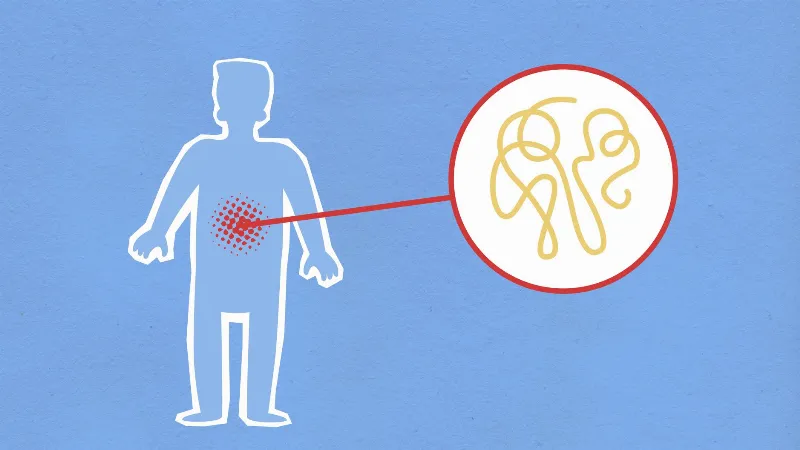

Microbiome's Impact Beyond Digestion
Most people think of the human microbiome as just a group of bacteria that help digest food. However, this complex ecosystem plays a much broader role in our health. It contributes to various bodily functions, including immune response and even mental health. This intricate relationship is a fascinating area of ongoing research.
Connection to Immune Function
Research shows that gut bacteria help train the immune system to distinguish between harmful pathogens and harmless substances. This training is vital for preventing autoimmune diseases and allergies. A well-balanced microbiome can enhance our body's defense mechanisms, showcasing its importance beyond digestion.
Influence on Mental Health
The gut-brain axis reveals another layer of the microbiome's impact. Studies suggest that gut bacteria can influence our mood and cognitive functions through the production of neurotransmitters and other signaling molecules. This connection indicates that our gut health can significantly affect our emotional well-being.
Long-Term Health Implications
Maintaining a healthy microbiome could be key to preventing chronic diseases. A diverse microbiome is linked to a lower risk of conditions like obesity, diabetes, and heart disease. This connection prompts a reevaluation of how we approach health and nutrition.
Final Thoughts on Gut Health
Understanding the multifaceted role of the human microbiome opens new avenues for health interventions, diet modifications, and holistic wellness strategies. As research continues to unfold, the implications for our understanding of human health are both profound and exciting.
Hungry for more?
Explore thousands of insights across all categories.
