
Calcium carbonate anomaly: Why a newly discovered formation in the Bahamas defies geological norms
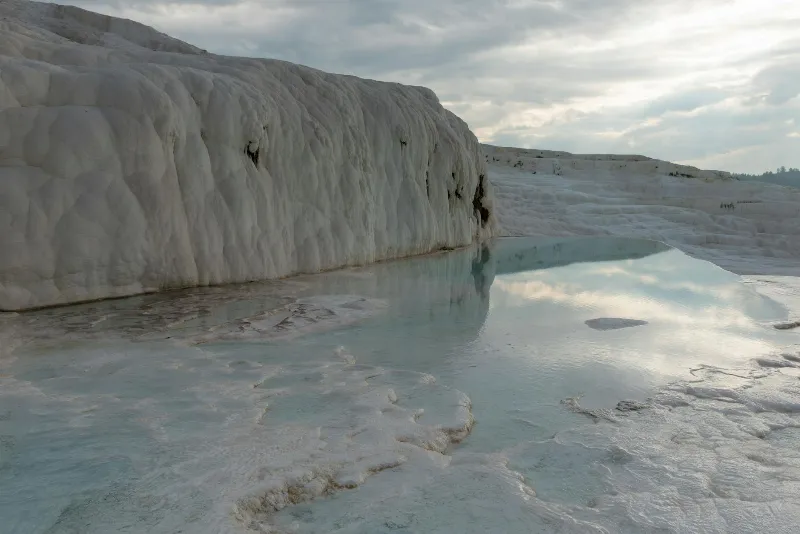
Introduction to the Anomaly
Deep beneath the azure waves of the Bahamas, a geological surprise awaits. A recently discovered formation of calcium carbonate has emerged, challenging long-standing understandings of sedimentary processes. This isn’t just another underwater feature; it represents a significant deviation from typical geological formations.
Location and Characteristics
- Coordinates: 25.0343° N, 77.3963° W
- Depth: Approximately 200 meters below sea level
- Composition: Unusual crystal structures of aragonite and calcite
This formation stands out due to its unique crystalline structure, which consists of a mix of aragonite and calcite. Aragonite, a less stable polymorph of calcium carbonate, typically forms in warmer waters, while calcite is more common in cooler environments. This mixture raises questions about the environmental conditions that led to its formation.
Geological Implications
“This discovery could rewrite parts of Earth’s geological history, suggesting that calcium carbonate formations can exist under conditions previously thought impossible.”
Established geological models suggest that calcium carbonate forms under specific temperature and pressure conditions. The Bahamas anomaly defies this logic, as it appears to have developed in an environment that contradicts the typical temperature gradient expected at such depths. Researchers are now investigating:
- Potential microbial activity influencing mineralization
- Unusual ocean currents or thermal vents contributing to the unique conditions
- Historical climate shifts affecting sedimentary processes
Research and Discoveries
Led by marine geologist Dr. Elena Martinez, a team of researchers from the University of Miami set out to explore this anomaly. Their findings have raised eyebrows in the scientific community.
Imagine this: what if this formation is a window into the past, revealing how ancient climates influenced sedimentation? The research team has already begun to analyze samples for isotopic composition, which could provide clues regarding the age and formation processes.
Technological Advances in Exploration
Utilizing advanced underwater robotics and sonar mapping, the team was able to create detailed 3D models of the formation. These technologies have revealed intricate patterns and structures that were previously hidden from sight.
Potential Applications and Future Research
The implications of this discovery extend beyond mere academic curiosity. Understanding this anomaly could lead to:
- Improved models for predicting climate change impacts on marine environments
- Innovative approaches to coral reef restoration using insights from calcium carbonate formation
- New materials inspired by the unique structures of this formation
Future research will focus on deeper explorations of the surrounding ecosystem. This will help determine whether similar formations exist in other locations and how they might interact with marine life.
Conclusion
Without jumping to conclusions, it’s clear this calcium carbonate anomaly in the Bahamas not only challenges existing geological norms but also opens the door to new scientific inquiries. As researchers continue to delve into its mysteries, one thing is certain: our understanding of marine geology is evolving.
Hungry for more?
Explore thousands of insights across all categories.