
Cahokia's Ancient City Discovery Unveiled Through Serendipitous Research
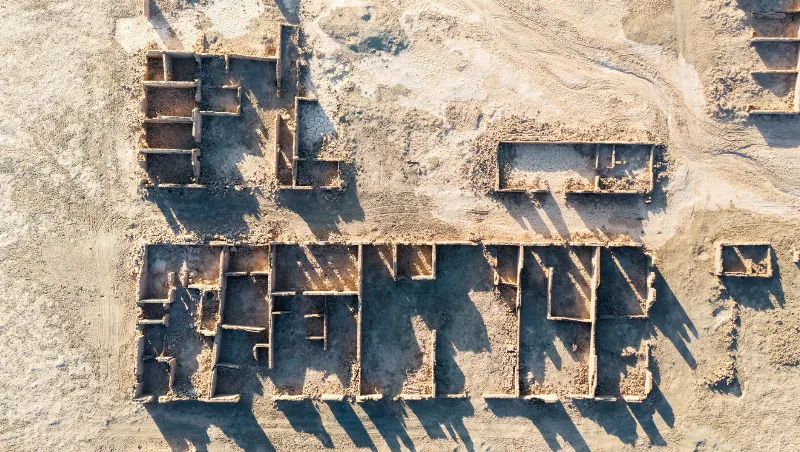

Unearthing Cahokia
Amid the dense trees and layered soil of southern Illinois, an unexpected revelation emerged in the 19th century. Archaeologists, while surveying the land for potential agricultural expansion, stumbled upon a remarkable series of earthen mounds. These structures hinted at a sophisticated society that once thrived in the region. The realization that these mounds were remnants of Cahokia, one of the largest urban centers in pre-Columbian North America, sparked intrigue among researchers and historians alike.
Significance of the Discovery
The discovery of Cahokia was pivotal not only for archaeology but also for our understanding of North American history. It challenged the perception of indigenous societies as primitive and nomadic. Instead, Cahokia revealed a complex urban environment featuring monumental architecture, extensive trade networks, and a rich cultural life. At its height, the city boasted a population that rivaled contemporary European cities, showcasing advanced agricultural practices and social stratification.
Researchers found that Cahokia was not merely a collection of mounds but a bustling metropolis with a diverse community. The site featured plazas, residential areas, and ritual spaces, all interconnected. This complexity highlighted the ingenuity of the Mississippian culture, prompting a reevaluation of their societal structures and influences.
A Lasting Legacy
As archaeological methods advanced, so too did the understanding of Cahokia’s role in the broader narrative of North American history. The ongoing research has unearthed artifacts that tell stories of trade, spirituality, and daily life, enriching the historical tapestry of indigenous peoples. As a result, Cahokia stands as a testament to the remarkable achievements of pre-Columbian civilizations, reshaping perceptions of history and the cultural richness that existed long before European contact.
Today, Cahokia serves as a reminder of the complexity of human societies and their ability to adapt and innovate. The site continues to draw attention as scholars and visitors explore its mounds and remnants, each step resonating with the echoes of a vibrant past.
Hungry for more?
Explore thousands of insights across all categories.
