
Biophotons Challenge Cellular Communication Understanding
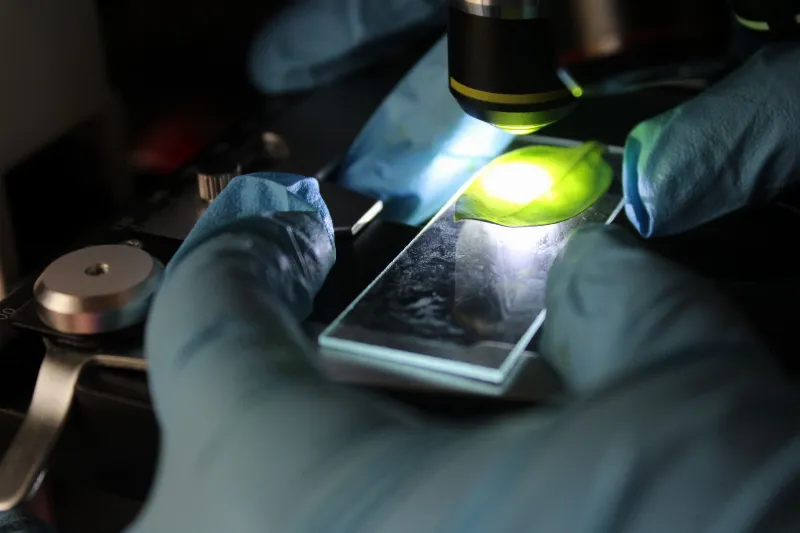

Biophotons and Cellular Communication
Biophotons, the weak light emissions from living cells, are emerging as a significant factor in how cells communicate. Traditionally, cellular communication was understood through biochemical signals like hormones and neurotransmitters. However, new studies reveal that biophotons may play a role in signaling that is just as crucial, if not more so. This suggests a complex layer of interaction among cells that has largely remained unexplored until now.
Implications of Biophoton Research
The implications of this research extend beyond mere curiosity. Understanding that cells can communicate via light could lead to advancements in medical diagnostics and therapies. For instance, if cells use biophotons to relay information about their state or environment, we might develop new ways to monitor cellular health and disease progression. This could be particularly useful in cancer treatment, where cellular communication pathways often go awry.
Moreover, the exploration of biophotons raises questions about how cells coordinate complex functions within tissues. If cellular communication includes light signals, it may shift our approach to studying cellular interactions. This insight could inform regenerative medicine and tissue engineering, offering novel strategies to enhance cellular cooperation in healing processes.
As researchers continue to investigate the mechanisms behind biophoton emissions and their role in cellular communication, the scientific community is poised to gain a deeper understanding of the fundamental processes that underpin life itself. By integrating light into our comprehension of cellular interactions, we may unlock new pathways for innovation in health and technology.
Hungry for more?
Explore thousands of insights across all categories.
