
Benefits of Proper Sleep Hygiene on Immune Function
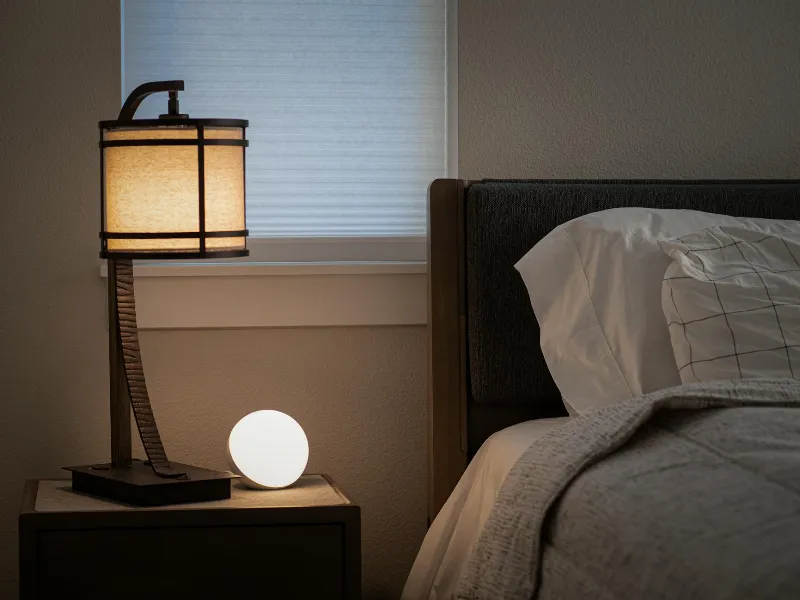

Many people experience fatigue and a lack of focus due to insufficient sleep. This common struggle can affect daily life and overall well-being. Sleep, however, plays a critical role in maintaining a strong immune system, and understanding how to improve sleep hygiene can lead to better health outcomes.
Understanding Sleep Hygiene
Sleep hygiene refers to practices and habits that promote restorative sleep. This includes maintaining a consistent sleep schedule, creating a comfortable sleep environment, and limiting exposure to screens before bedtime. Engaging in these practices can help improve sleep quality, which in turn supports immune function.
Impact on Immune Function
A well-rested body is better equipped to fight off infections. Studies suggest that adequate sleep enhances the production of cytokines, proteins that are vital for immune response. Lack of sleep can lead to a decrease in these protective proteins, leaving the body more vulnerable to illnesses.
- Consistent sleep schedules help regulate the body’s internal clock, promoting better sleep quality.
- A dark, quiet, and cool bedroom environment supports deeper sleep, which is essential for recovery.
- Avoiding stimulants like caffeine and heavy meals before bedtime can facilitate easier sleep onset and better rest.
When individuals prioritize their sleep hygiene, they may notice improvements not only in their daily functioning but also in their overall health. Sleep impacts various bodily systems, and a stronger immune system can lead to fewer illnesses and quicker recoveries.
Hungry for more?
Explore thousands of insights across all categories.
