
Ancient Civilizations Shape Modern Genetic Research Paradigms
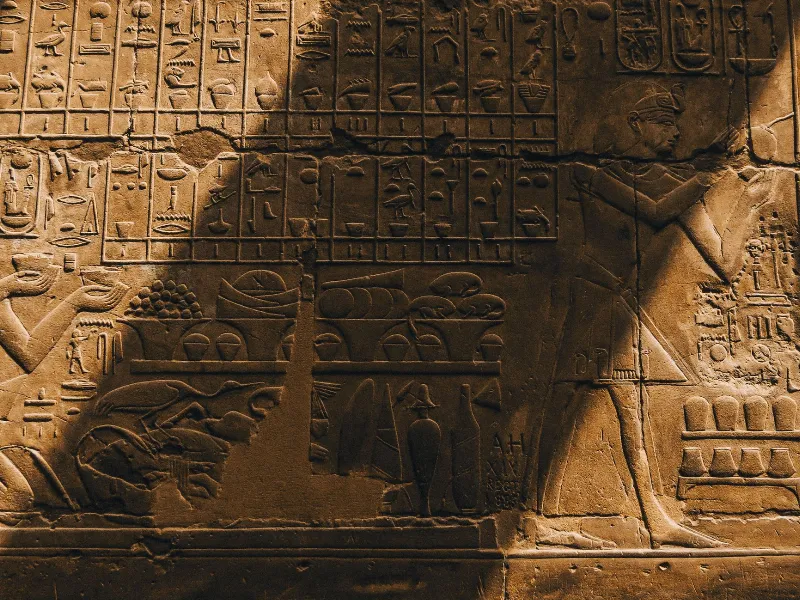

Tracing Ancient Genetic Practices
Genetic research today draws on a wealth of knowledge from ancient civilizations, particularly in areas like agriculture and medicine. For example, the agricultural innovations of the Sumerians and Egyptians laid foundational principles for selective breeding. Such practices are not merely historical artifacts; they inform modern genetic engineering techniques that enhance crop resilience and yield.
Insights from Historical Interactions
Inter-civilizational exchanges often involved the sharing of agricultural and medicinal knowledge, which played a critical role in shaping genetic diversity. The Silk Road is a notable example, facilitating the exchange of not just goods but also genetic material. This exchange contributed to the genetic diversity we observe in contemporary populations and provides a complex backdrop for understanding modern human genetics.
Revisiting Genetic Ancestry
Modern genetic research increasingly incorporates findings from ancient DNA studies, enabling scientists to reconstruct historical migration patterns and population dynamics. Techniques like whole-genome sequencing allow researchers to delve into the genetic legacies left by ancient peoples, offering insights into health predispositions present in modern populations. Such connections underscore the relevance of ancient practices in current health discussions.
Implications for Future Research
As researchers continue to explore the genetic threads connecting ancient civilizations to modern genetic studies, the potential for new discoveries expands. The blending of ancient wisdom with cutting-edge technology invites a more nuanced understanding of genetics. This interdisciplinary approach not only enriches the field but also encourages a broader appreciation of how history shapes present and future scientific endeavors.
Hungry for more?
Explore thousands of insights across all categories.
