
Anatomy of a Fall - Justine Triet

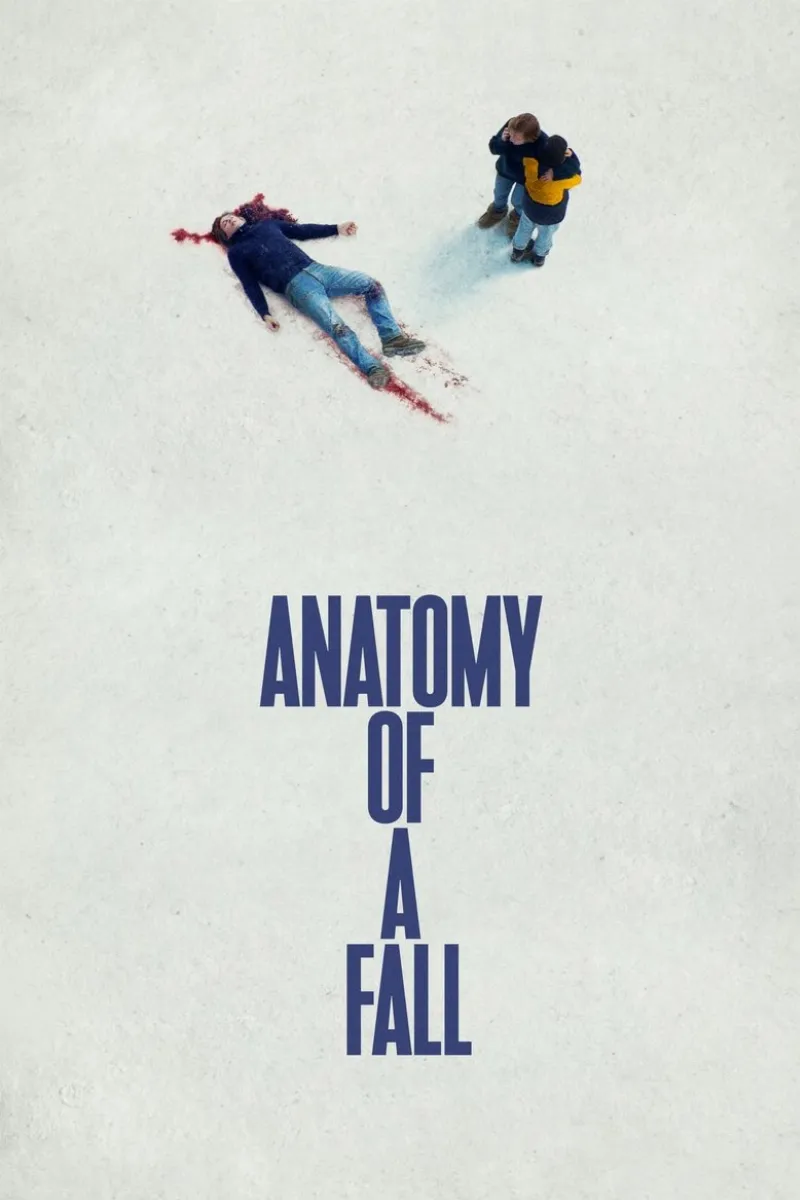

Shadows linger in the corners of a dimly lit room, a space echoing with unspoken words and hidden truths. Here, the air is thick with tension as Sandra Hüller’s character grapples with the weight of suspicion that hangs over her like a dark cloud. The intricate layers of her life unfold amidst the stark reality of a murder accusation, creating a palpable sense of unease that captivates from the very first scene. As the narrative weaves in and out of the courtroom and the intimate spaces of the family’s home, the viewer is drawn into a compelling psychological maze.
Swann Arlaud plays the role of their blind son, a young boy whose perspective becomes the moral fulcrum of the story. His unique vantage point not only heightens the drama but also immerses the audience in a world where sight is replaced by intuition and emotional resonance. The boy’s struggle to understand his mother’s innocence or guilt adds a rich layer of complexity, forcing him, and the audience, to confront the ambiguity of truth. Every glance, every pause, becomes laden with significance as he navigates his own feelings of loyalty and doubt.
Justine Triet crafts a narrative that is not merely about the act of murder but delves into the intricate dance of relationships and the murky waters of human emotions. The film’s pacing mirrors the psychological tension, with moments of silence punctuated by bursts of conflict. Each scene unfolds like a carefully constructed puzzle, revealing pieces that challenge perceptions of love, betrayal, and morality.
As the courtroom drama intensifies, the film artfully juxtaposes public scrutiny with private despair. The characters are caught in a storm of public opinion, yet it is their internal battles that resonate most profoundly. The emotional stakes are high, and the viewer is left to ponder the implications of each revelation. The atmosphere is thick with the weight of accusations, yet it also reflects a broader commentary on societal judgments and the often harsh light of scrutiny.
Triet’s direction brings to life the nuances of familial bonds and the strain of external pressures. The intimate moments shared between mother and son are laced with an urgency that underscores their fragile connection. As the film progresses, the silence speaks volumes, revealing the uncharted territories of their relationship amid the chaos of the trial.
In the final sequences, as the courtroom drama reaches its zenith, the film does not offer easy answers. Instead, it leaves lingering questions that echo long after the credits roll. The emotional weight of the narrative hangs in the air, inviting the audience to reflect on the complexities of truth and perception.
With each frame, 'Anatomy of a Fall' challenges viewers to confront their own biases, while immersing them in a world where the line between innocence and guilt is blurred. The film closes not with a resolution but with an emotional resonance that lingers, much like the silence that follows a storm.
Hungry for more?
Explore thousands of insights across all categories.
